Duke of Newcastle
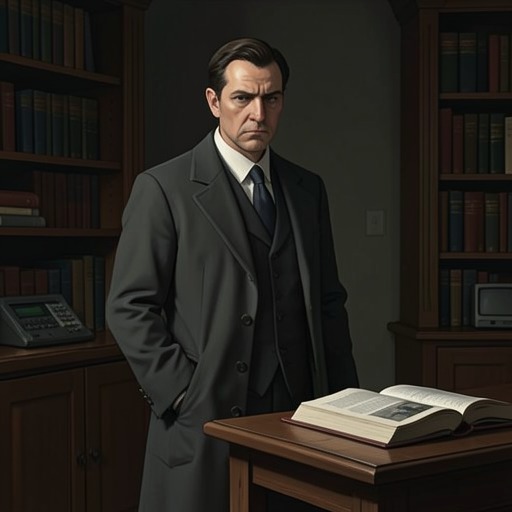
The Blazing WorldThe Duke of Newcastle is the Duchess’s husband, whose character emerges through her account of his fortunes, their enduring attachment, and the Empress’s spiritual visit to him. Though he never perceives the visiting souls, his presence draws the Duchess back from the Blazing-World and becomes the focus of a failed effort to reconcile him with Fortune. His losses and virtues make him a measure of worldly adversity; his horsemanship and the Duchess’s imaginative reunion with him turn private affection into a central thread of the narrative.
Identity and Background
The Duke resides in Nottinghamshire, at Welbeck, a house the Duchess describes as useful rather than magnificent. Nearby stands Bolsover Castle, which she says is bare of furnishings. The Duchess explains that a long civil war had ruined many principal palaces and timber trees, and that her husband lost half his woods as well as houses, land, and movable goods. The losses to his personal estate amounted to more than half a million pounds. The Empress wishes that some of the Blazing-World’s gold could restore his fortunes, but the Duchess answers that wishes cannot repair the damage and credits her husband with patience in bearing his misfortunes.
The book also presents the Duke through the Duchess’s judgments of his moral character. In Fortune’s hearing, Fortune accuses him of having made her an enemy by preferring Prudence and Honesty, slighting her favors, and opposing her power through his innocence. Her grievance recasts what the Duchess regards as virtue as an affront to Fortune. The dispute therefore turns not simply on whether the Duke has suffered, but on whether worldly success should outweigh the principles by which he has chosen to live.
Encounter in Nottinghamshire
During the Empress and the Duchess’s spiritual journey to the Duchess’s Native World, the two souls travel through Sherwood Forest to Welbeck. The Empress admires the amount of woodland around the house and is told that the Duke’s estate was diminished by the civil war. The Duchess points out Bolsover Castle as another residence, though its lack of furnishings makes it a sign of loss as much as of status.
When the Duke comes into the courtyard to watch his horses of manage, the Duchess’s joy alters the brightness of her aerial vehicle. The Empress and the Duchess approach him unseen. The Empress watches the horsemanship and praises it as suitable for noble and heroic people. Later, she follows the Duke into the house and observes him practicing with a sword; his skill impresses her as much as his riding. The scene presents the Duke through disciplined, public accomplishments, while the invisible visitors’ reactions disclose the intimacy and emotion surrounding him.
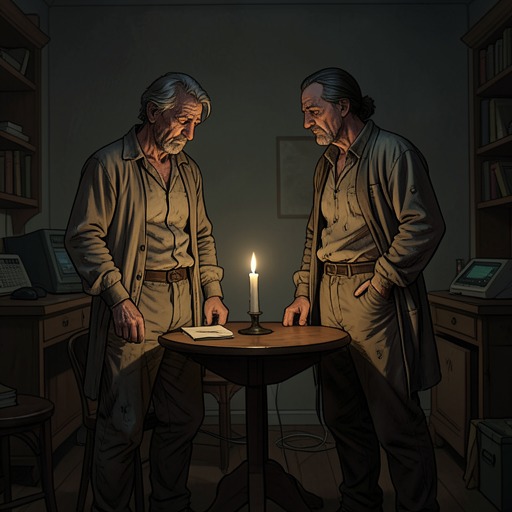
The Duchess, concerned that her husband is taking strenuous exercise before a meal and may overheat himself, enters his body. The Empress follows, so that the Duke’s body contains three souls: his own, the Duchess’s, and the Empress’s. In this imagined spiritual conversation, the Duke’s soul is described as wise, honest, witty, courteous, and noble. The Empress becomes enamoured of his soul through its conversation and entertainment; the Duchess initially feels jealous, then sets that feeling aside because she regards the attachment as Platonic rather than adulterous. Their time together is filled with scenes, songs, music, witty discourse, recreations, and harmless sports.
The Duchess and the Empress
The Duke’s importance in the narrative is conveyed largely through the Duchess’s constancy. While visiting the royal court of her Native World, she longs to meet her husband’s soul, which lives some 112 miles away. The Empress agrees to accompany her, and the journey brings the Duchess from the marvels of the Blazing-World to the familiar setting of her husband’s country home. Her concern for the Duke during his sword exercise, followed by her entry into his body, makes marital affection an active force in the spiritual plot rather than a passing recollection.
The Empress, too, is drawn into the Duke’s company. His skill and conversation hold her interest, but her absence has left the Emperor melancholy, and a spirit eventually advises her to return to the Blazing-World. The Duchess and the Duke’s soul regret that she must leave. The Duchess then asks the Empress to help settle the long-standing enmity between her husband and Fortune. The Duke says that he has diligently sought Fortune’s friendship but has never obtained it; he nevertheless agrees to send Prudence and Honesty to plead his case. His trust in those companions restates the choice Fortune resents and places his moral allegiances at the heart of the attempted settlement.
Fortune and the Failed Arbitration
The Empress arranges for the Duchess, Prudence, and Honesty to return with her to the Blazing-World, where spirits help bring Fortune into a hearing. Fortune selects Folly and Rashness as her friends; after difficulty, the assembly agrees that Truth should judge. Fortune argues that the Duke has earned her hostility by preferring Honesty and Prudence, rejecting her favors, and setting innocence against her power. Her speech reveals the conflict from her own perspective, but the hearing does not lead to an agreement.
After Honesty speaks plainly, Fortune takes offense at the perceived rudeness and refuses to hear Truth’s judgment. She leaves in anger, defeating the purpose of the arbitration. Honesty then rebukes the Duchess for seeking Fortune’s favor, suggesting that the request showed mistrust in divine blessings. The Duchess denies that she trusts Fortune or distrusts divine providence; she wanted only to spare her husband powerful enemies. The Empress, seeing the Duchess weep, criticizes Honesty for acting without Prudence as a guide. Prudence smiles, and Honesty is embarrassed, but the two soon become friends. The spirits promise to try in time to make peace between Fortune and the Duke, yet the episode ends with the promised reconciliation still unresolved.
Return, Memory, and Significance
After her return to the Blazing-World, the Duchess eventually leaves the Empress and goes back to her own world and body. She tells the Duke about her travels, including the Empress’s dealings with other monarchs and the subjection of those rulers to tribute and homage to the monarch of the Duchess’s birth and education. She also relates the Emperor’s magnificent stables and riding houses and describes the Blazing-World’s horses, whose varied shapes, colors, and markings seem artfully painted and whose coats are smoother and glossier than satin.
The Duke smiles at the Duchess’s account of the extraordinary buildings and riches, but regrets that no passage connects the two worlds. He says that he has always encountered an obstruction to his good fortunes. The remark joins his material losses to the larger distance between the imagined abundance the Duchess can visit and the life the couple share at home. The Duke thus remains both a particular husband, defined by their attachment and his response to hardship, and a figure through whom the narrative tests the limits of Fortune: virtue and imaginative riches can answer adversity in thought and conversation, but they do not restore what he has lost or secure the reconciliation the Duchess seeks.